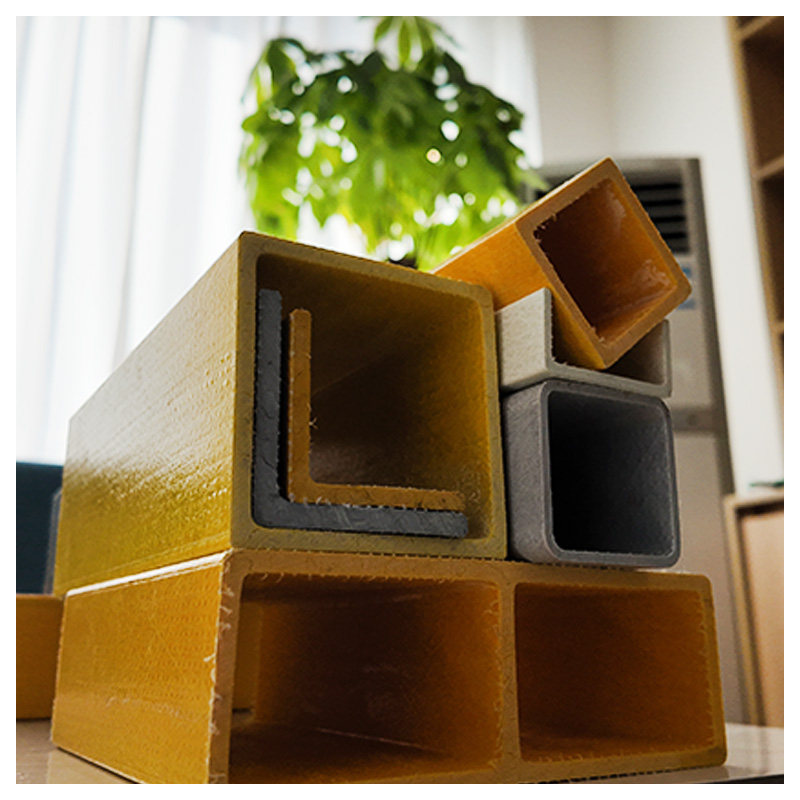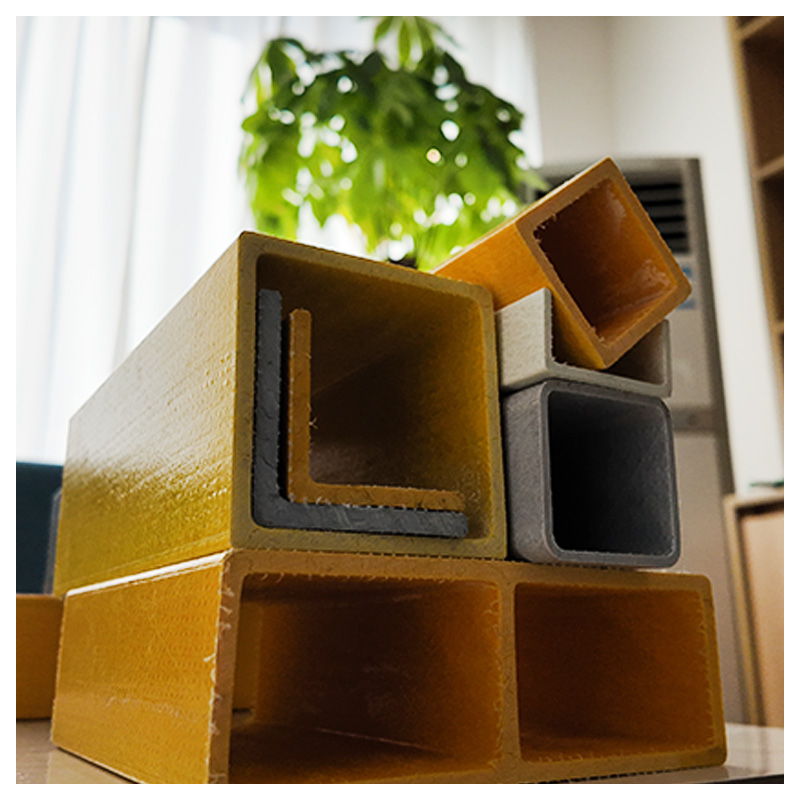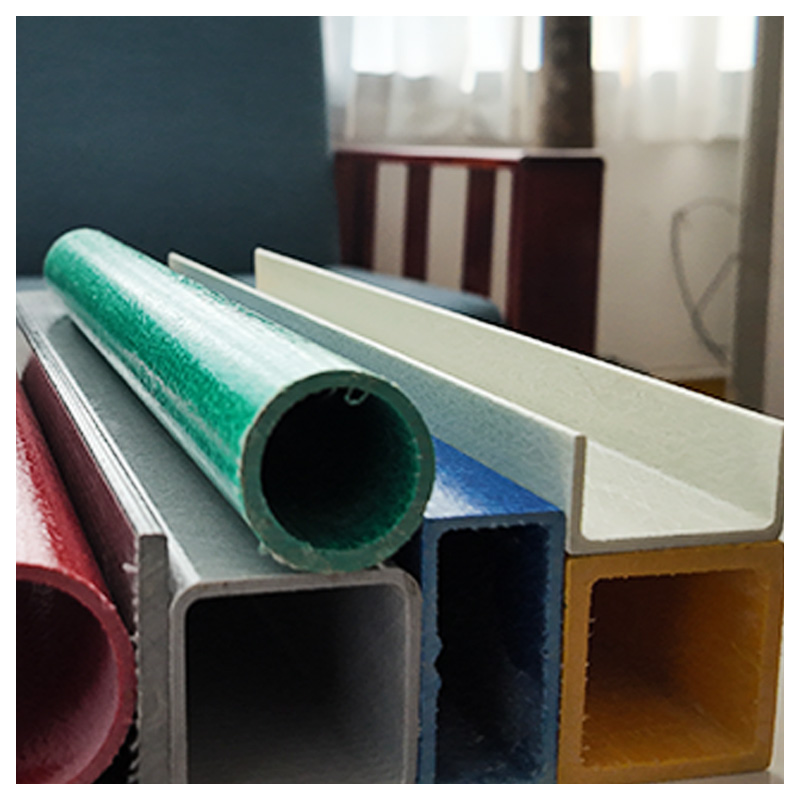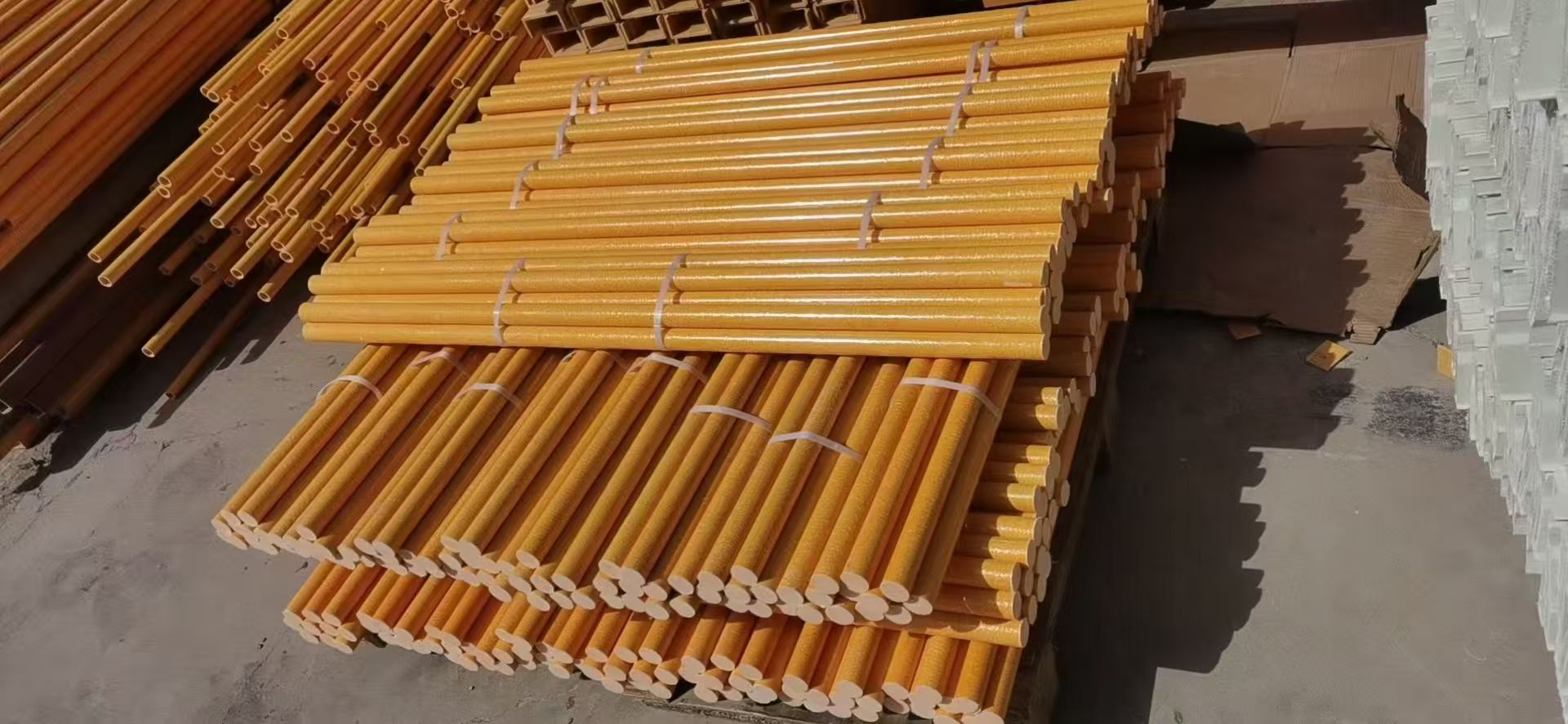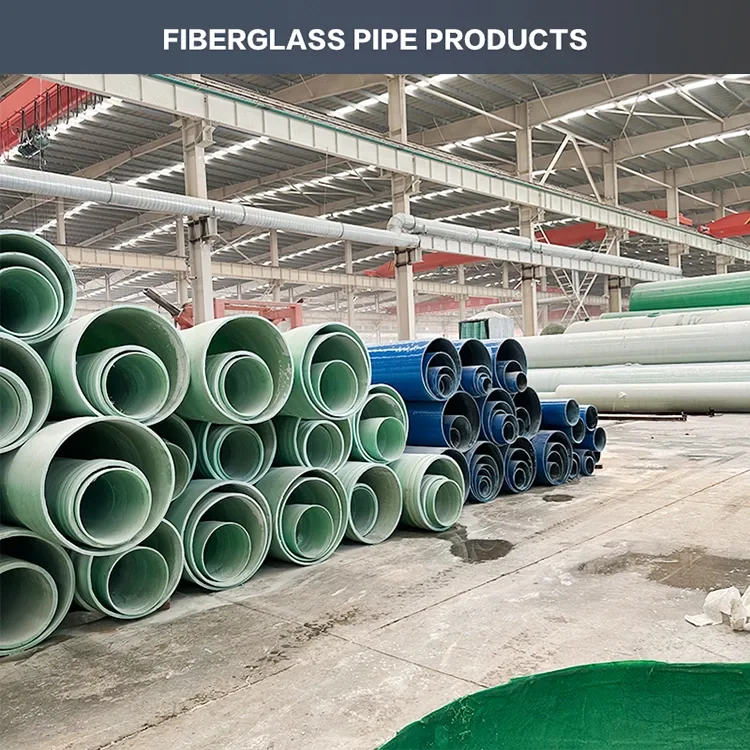
Hebei Tengjun FRP manufactures FRP pipes using glass fiber reinforced materials and synthetic resin as the main raw materials. The pipe structure consists of a resin matrix and reinforcement layers. Common resin materials include unsaturated polyester resin, epoxy resin, and phenolic resin, which provide corrosion protection and structural bonding. Glass fiber is used as the primary reinforcement material, while carbon fiber or aramid fiber can be added for applications requiring higher mechanical performance. Production is carried out according to applicable industry standards, with dimensional and performance inspections performed during manufacturing.
FRP pipes have high corrosion resistance and are suitable for transporting acidic, alkaline, saline, and other corrosive media. The glass fiber reinforced structure provides high mechanical strength, allowing the pipes to withstand internal pressure and external loads in different operating conditions.
Compared with traditional metal pipes, FRP pipes have lower weight, which reduces transportation and handling requirements. The material has good electrical insulation properties, with a volume resistivity of ≥10¹² Ω·m, making it suitable for applications requiring electrical isolation. FRP pipes can maintain stable performance within their designed temperature range. Different pipe diameters, wall thicknesses, and connection structures can be manufactured according to project requirements.
| Name | FRP Pipe |
| Diameter | 50, 100, 150, 200, 250, 300, … mm |
| Wall Thickness | 3, 4, 5, 6, 8, 10, … mm |
| Electrical Properties | Volume resistivity ≥ 10¹² Ω·m |
| Installation Method |
Flange connection Threaded connection Socket connection |
Address
No. 689, Industrial Park, Zaoqiang County, Hengshui City, Hebei Province, China
Tel