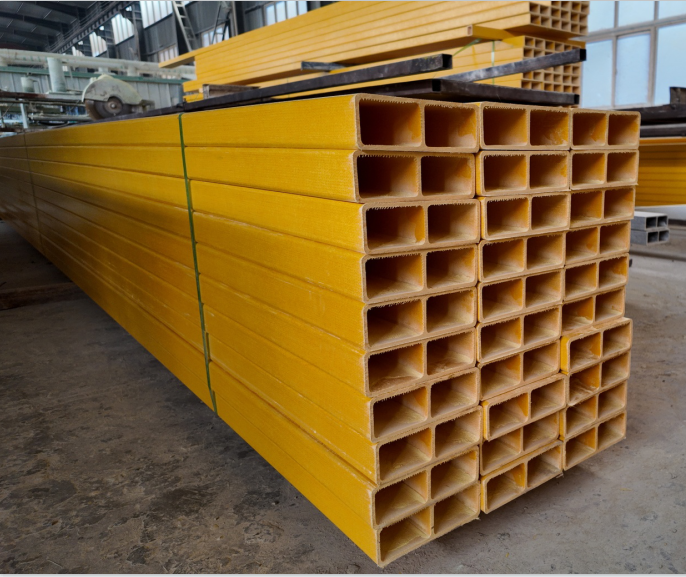
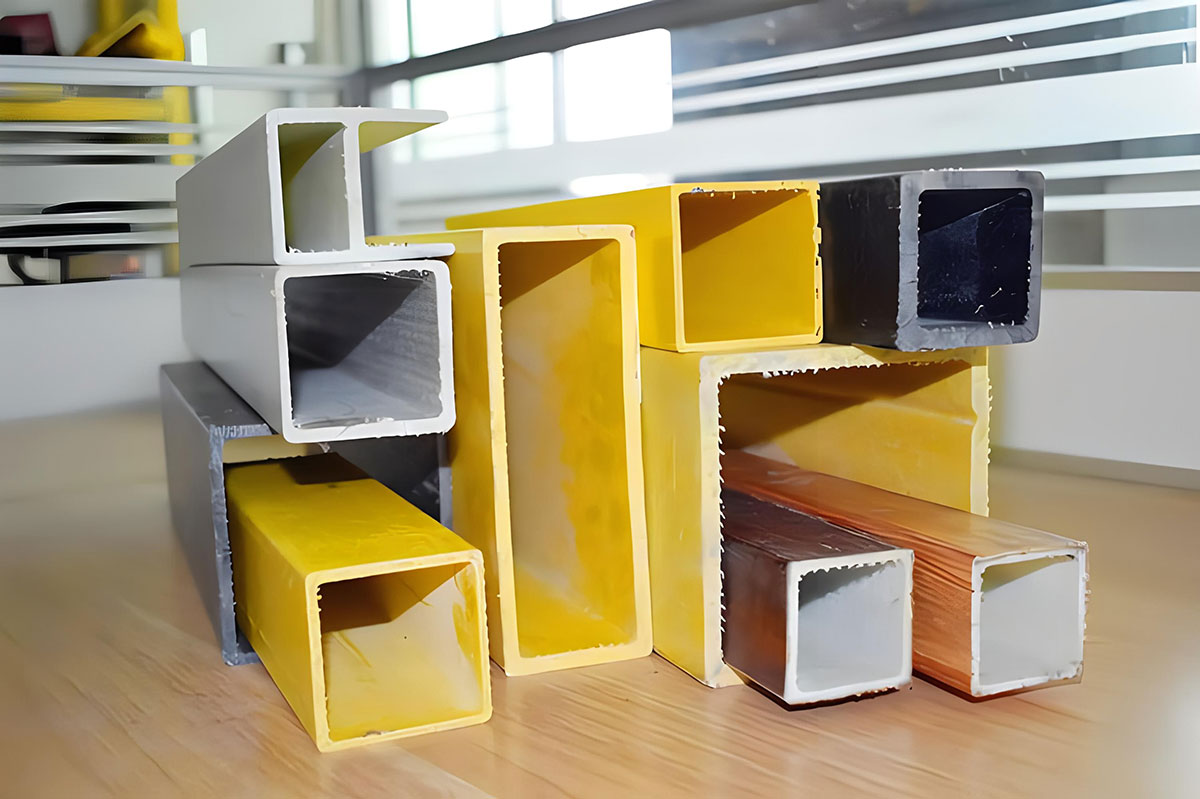
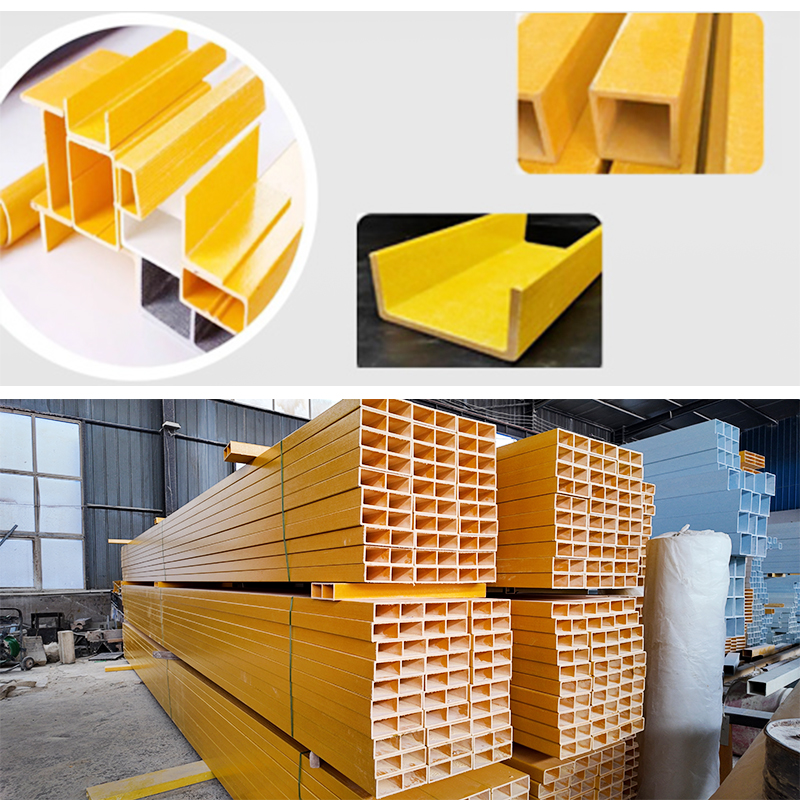
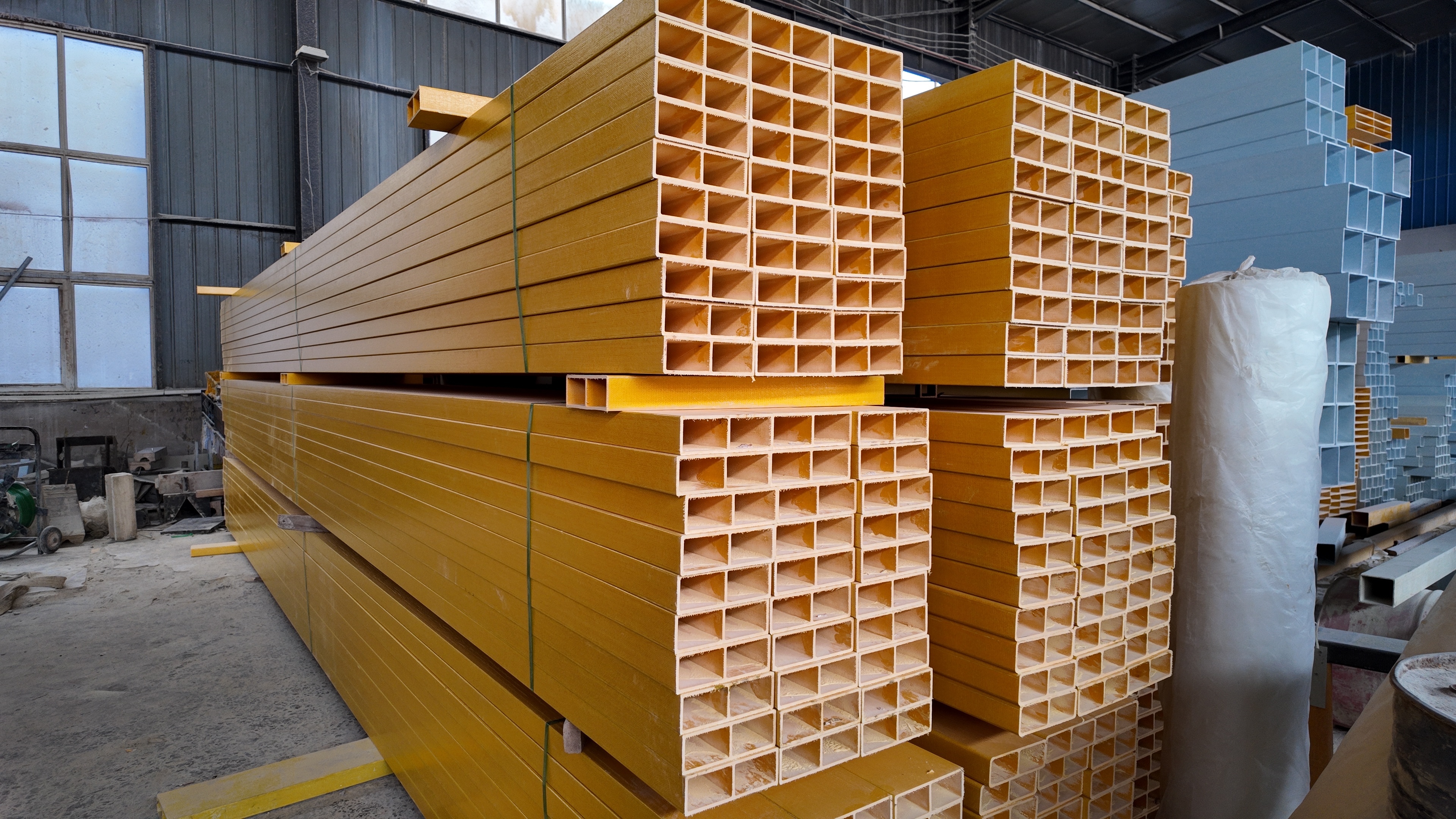
With the rapid development of modern farming industries, higher requirements are being placed on construction materials used in breeding environments. Traditional materials such as steel and wood are prone to corrosion and decay in humid and aggressive conditions, resulting in shorter service life and higher maintenance costs. Against this backdrop, Fiber Reinforced Plastic (FRP) purlins have gradually gained popularity in marine aquaculture and livestock farming due to their superior performance.
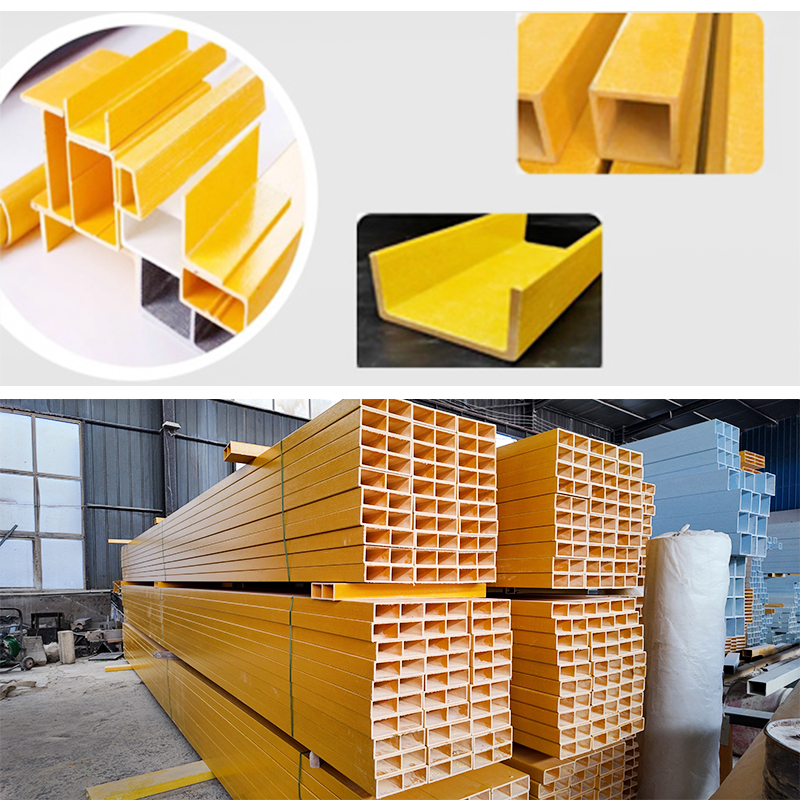
Firstly, in marine aquaculture, the environment is characterized by high salinity and humidity. Conventional metal materials are highly susceptible to corrosion under such conditions. FRP purlins, however, exhibit excellent corrosion resistance and are not affected by seawater, salt spray, or most chemical substances. This makes them highly stable and durable when used in aquaculture sheds, platforms, and supporting structures. In addition, FRP materials are lightweight yet strong, making transportation and installation easier, thereby reducing construction difficulty and cost. Their good electrical insulation properties also enhance safety in wet environments.
Secondly, in livestock farming facilities such as pig houses, poultry houses, and cattle sheds, high humidity and the presence of corrosive gases like ammonia are common. Traditional steel structures tend to corrode under these conditions, compromising structural integrity. FRP purlins not only resist corrosion but also offer excellent aging resistance, maintaining stable physical properties over time. Moreover, their smooth surface minimizes dust accumulation and facilitates cleaning, helping to maintain a hygienic environment and reduce the risk of disease transmission.
From an economic perspective, although the initial investment in FRP purlins may be slightly higher than traditional materials, their long service life and low maintenance requirements result in better overall cost-effectiveness. Their excellent weather resistance also ensures stable performance in outdoor environments, reducing the need for frequent replacements and minimizing resource waste.
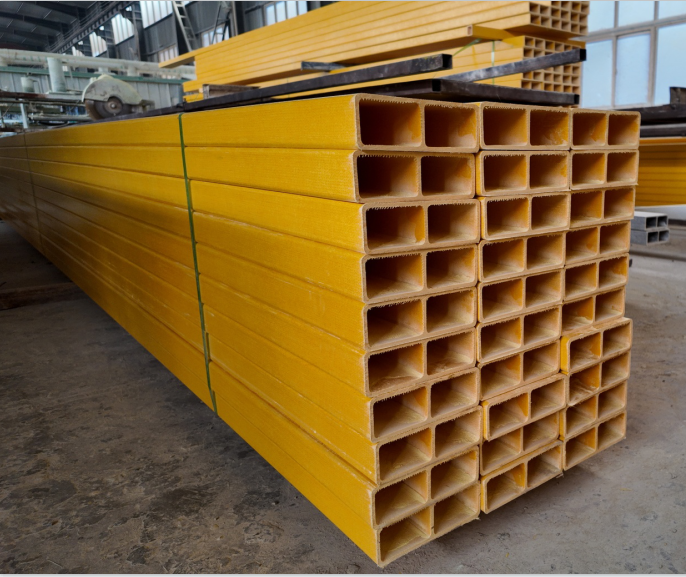
In conclusion, FRP purlins, with their advantages of corrosion resistance, high strength-to-weight ratio, electrical insulation, and low maintenance cost, have broad application prospects in marine aquaculture and livestock farming. With continuous technological advancements, their performance is expected to improve further, providing more reliable material solutions for modern farming industries.