Global FRP Industry Accelerates as Renewable Energy and Infrastructure Become Key Growth Drivers
March 31, 2026
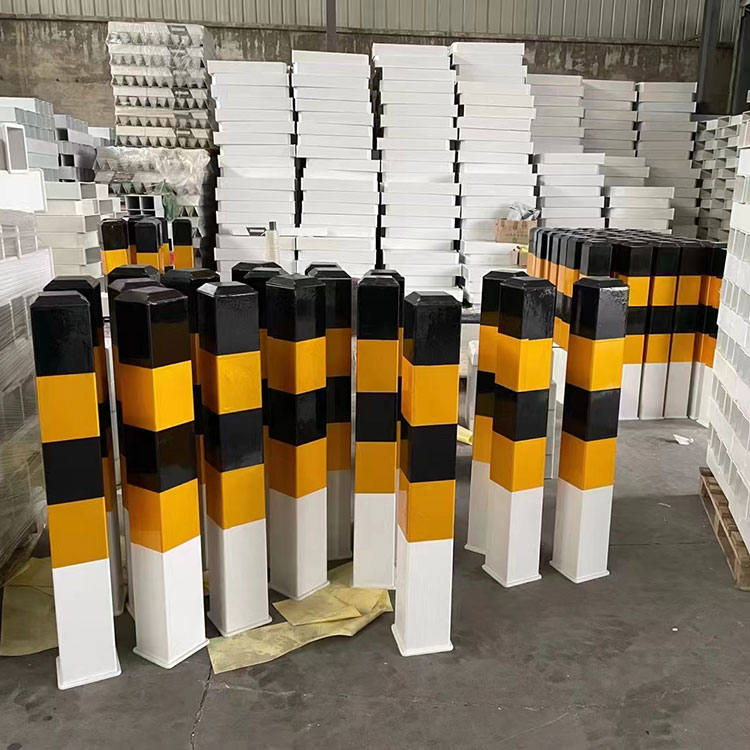
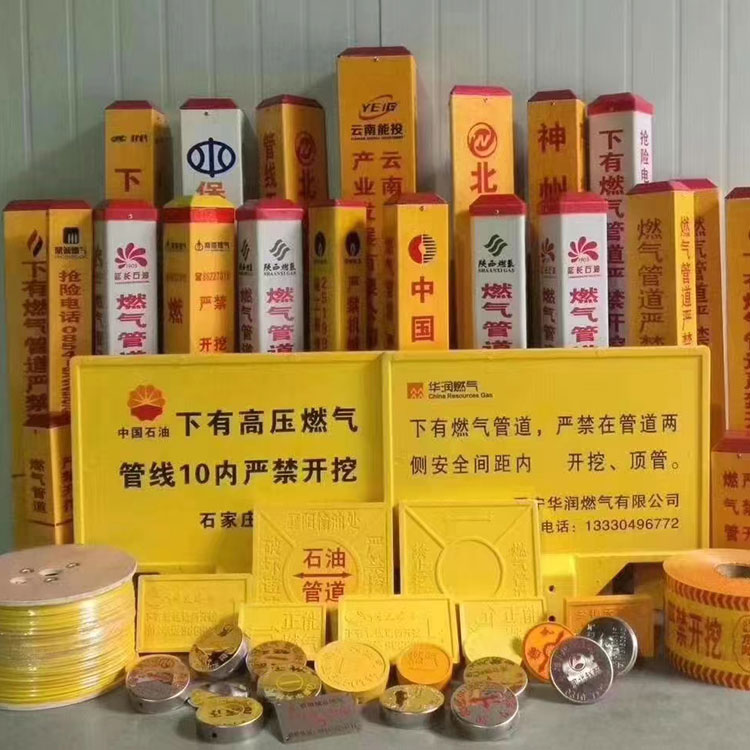
Against the backdrop of global industrial upgrading and the transition toward green energy, the fiberglass reinforced plastic (FRP) industry is entering a new phase of growth. With demand continuing to expand across wind power, chemical processing, desalination, and municipal pipeline networks, FRP products are increasingly replacing traditional metal materials in a wide range of engineering applications. At the same time, both market size and technological capabilities within the industry are steadily advancing.
Renewable Energy Sector Drives Continued Expansion in FRP Demand
In recent years, the wind power sector has become one of the largest application areas for FRP materials. Most wind turbine blades are manufactured using glass fiber composites, whose lightweight and high-strength properties significantly enhance power generation efficiency and structural stability.
As countries around the world accelerate their carbon-neutrality initiatives, large-scale wind power projects are being deployed at a rapid pace, driving strong demand for fiberglass and composite materials. Meanwhile, emerging sectors such as hydrogen energy and offshore energy development are also beginning to adopt FRP pipelines and storage systems, creating new growth opportunities for the industry. ⚡
Infrastructure and Environmental Projects Expand the Use of FRP Products
In urban construction and industrial environmental protection projects, FRP pipes and storage tanks are gradually replacing traditional steel equipment. Compared with metal materials, FRP offers superior corrosion resistance, longer service life, and lower maintenance costs, making it particularly suitable for highly corrosive environments such as chemical plants, wastewater treatment facilities, and marine applications.
In recent years, numerous desalination plants and long-distance water transmission projects in the Middle East and Southeast Asia have widely adopted FRP piping systems, further demonstrating their reliability and economic advantages in large-scale infrastructure projects. 🌊
Manufacturing Technologies Move Toward Automation and Large-Scale Production
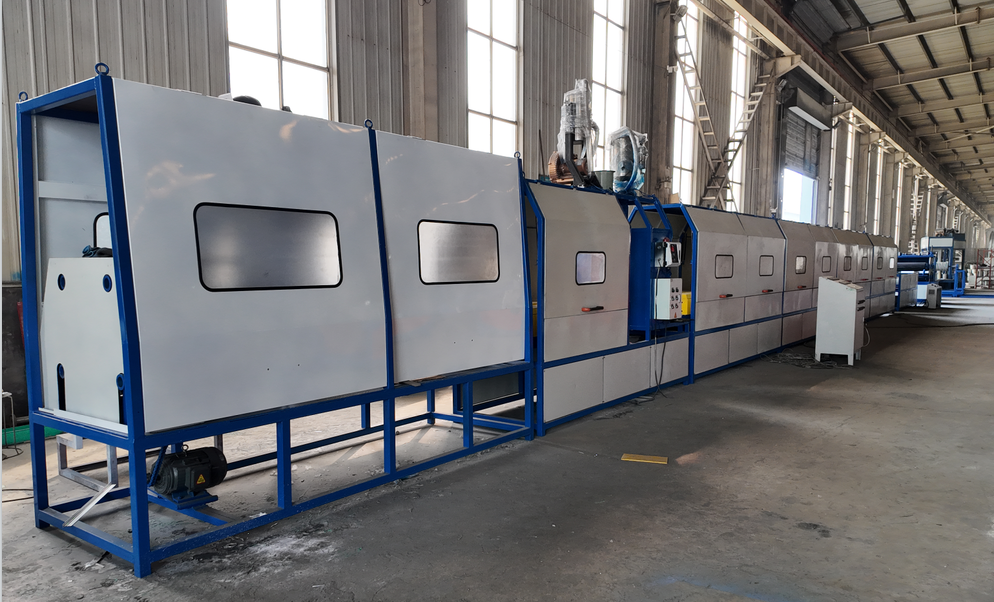
As market demand continues to grow, FRP manufacturers are accelerating investments in automation and process upgrades. The adoption of advanced manufacturing technologies such as continuous filament winding, pultrusion, and resin transfer molding (RTM) has significantly improved dimensional accuracy, structural performance, and production efficiency of FRP products.
The development of automated production lines not only reduces labor costs but also enhances product consistency and quality stability, enabling the FRP industry to move toward standardized and large-scale manufacturing.
Environmental Pressure Drives Innovation in FRP Materials
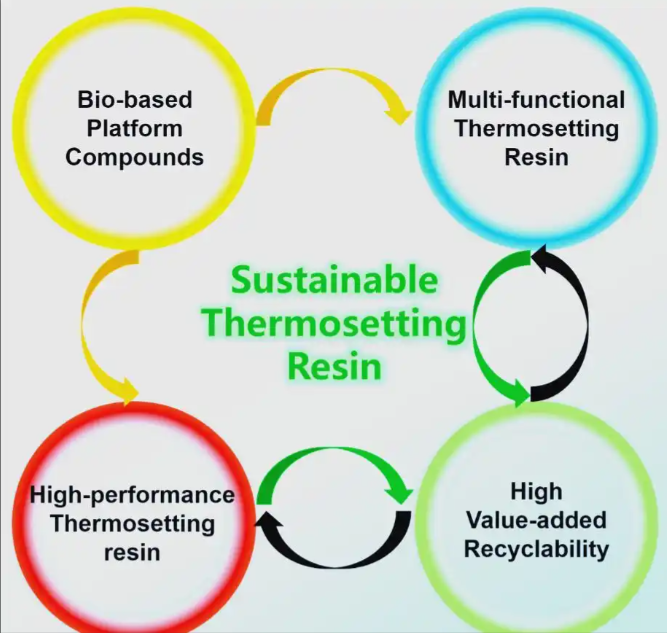
Despite their advantages in corrosion resistance and lightweight performance, FRP products remain difficult to recycle, which has become a major challenge for the industry. In response, composite manufacturers and research institutions are actively developing recyclable resin systems and thermoplastic composites to reduce the environmental impact of FRP products.
Industry experts believe that composite materials capable of recycling and circular utilization will gain stronger competitiveness in the international market in the future. ♻️
Market Outlook: FRP Industry Expected to Maintain Stable Growth
Based on current demand and technological trends, the FRP industry is expanding beyond its traditional markets in corrosion protection and structural materials into emerging fields such as renewable energy equipment, advanced manufacturing, and smart infrastructure. Over the next few years, the global FRP products market is expected to maintain steady growth, while industry concentration and technical barriers are likely to increase further.
We use cookies to offer you a better browsing experience, analyze site traffic and personalize content. By using this site, you agree to our use of cookies.Privacy Policy